
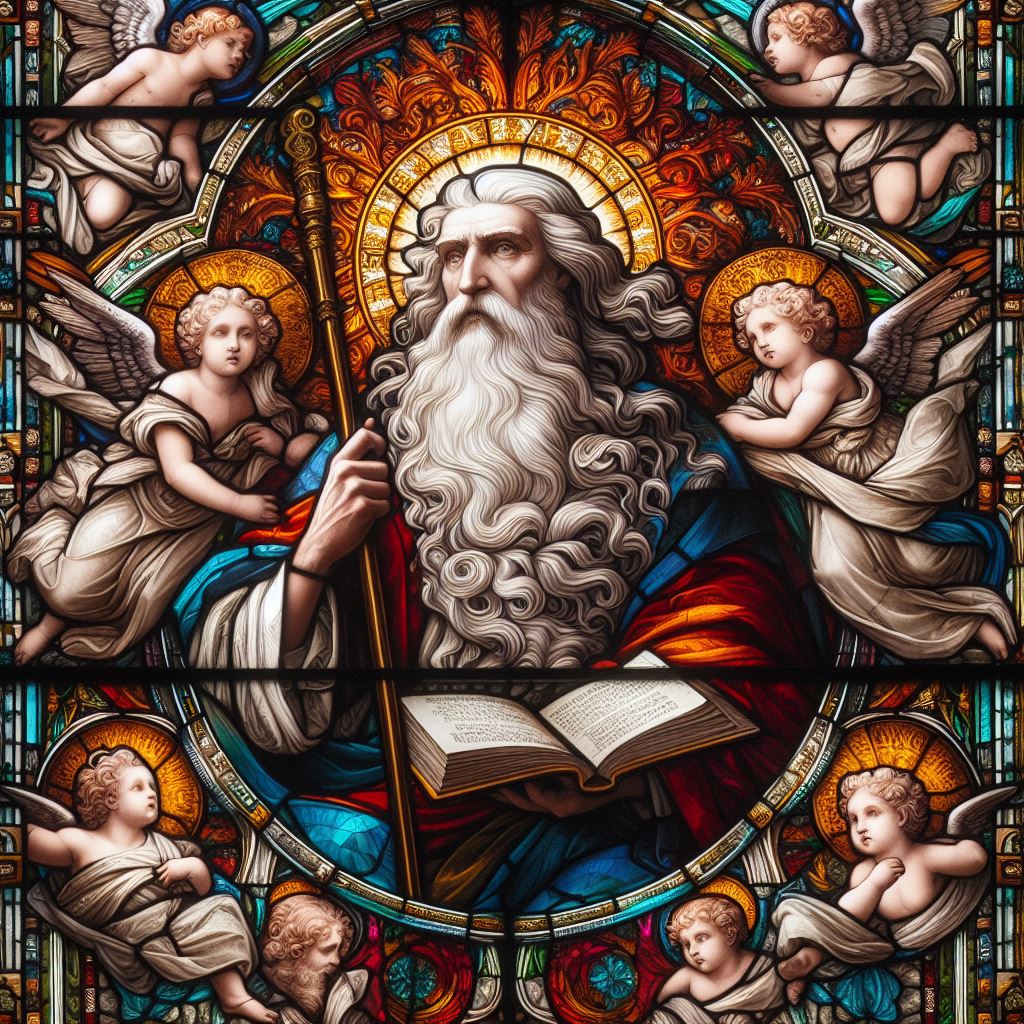
“What is your image of God?”
This is the first question asked when I went through my spiritual direction training. Our first month was getting to the basics of our personal theologies of God.

In all of my studies, even in my master’s degree in religion, I don’t remember being asked that question.
I can tell you of the Trinitarian doctrine, God is the Father, Son and Holy Spirit. One God of three persons. I can tell you the Ecumenical creeds of the faith and how they came to exist- Apostles Creed, Nicene Creed and the Athanasian Creed, etc. I can tell you how Aristotle (or other Theologians) view the Trinity; Aristotle focus on God as love, he that loves, that which is loved.
I can explain my relationship with God and my religious background. But I found it interesting that I hadn’t stopped to ask, what is my image…my “theology” of God? It’s an interesting question. In all of my research, theologians agreed in many respects, but disagreed in others.
We were given a list and asked to pick what we were drawn to and what we resisted.
Father
King of Kings
Nursing Mother
Shepherd
Fire
Love
Seamstress
Lord
Warrior
Judge
Advocate
Teacher
Midwife
Vine
Truth
Jilted, broken-hearted lover
Light of the World
Woman looking for a lost coin
Servant
The list went on and we were allowed to add additional words as they came to us. I wrote down:
Mentor
Friend
Yahweh
Brother (Jesus)
When we took turns sharing our thoughts on God, I saw numerous similarities and differences. Some grew up with a God who was mainly a judge and a punisher. Others viewed God as love and deliverer. While I saw God as Father, many viewed God as female and Mother. It was a brilliant start to our studies.

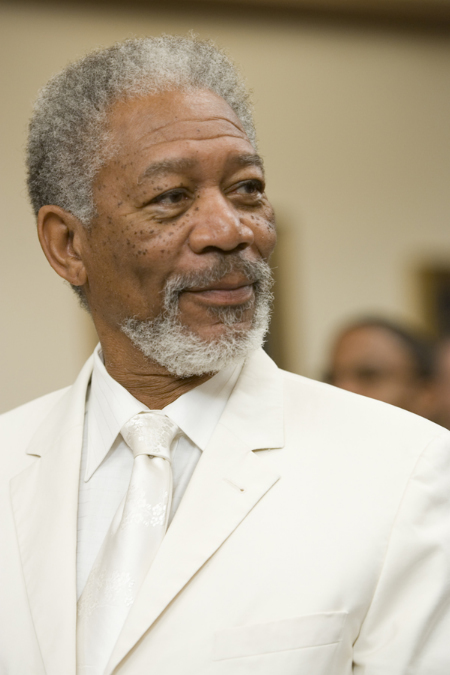
(Internet movie database.)
Take a moment and look at this shorter list again.
What words stand out to you?
What words did you resist?
This tells you a bit about how you view God. The way we view God is also how we view and see the world.
For example, if you believe God is a punisher, you may act in fear and be indecisive with life decisions as though you could be punished at any moment for any wrong turn. Maybe you will have the same expectations in your relationships, and you appease them at every turn and try to hide your faults and fears. Or perhaps, you become the punisher out of fear and have high expectations in your relationships. This way you can have the illusion of having more control of your life.
If you view God as love, you may have more of a tendency to show others love. You may have a passion to share the love of God with others.
Our outlook in life has a foundation based on our image of God. We are all similar and unique all at the same time.
We are reading Holy Envy in our book club at St. Philip’s. A similar question came up in our readings. Rev. Barbara Brown Taylor starts chapter three asking the question, “What do you mean when you say, God”?
Even though we were all Episcopalians and we believed in the basic tenants of our faith, our views on God personally still had some differences. We Episcopalians pride ourselves in freethinking.
Think about how many Christian denominations we have in the world. Within the denominations there have been splits based on theological or doctrinal disagreements. One church is not exactly alike as another church, even in the same denomination.
Even though our services in the Episcopal churches are scheduled and outlined similarly, each church has their unique personality and strength. Each has a unique signature in their act of worship.
I would encourage you to take some time to discover your personal image of God. Be honest and true to yourself in describing how you see God and what He (or She) means to you. This is a journey that is unique and special to each individual.
By exploring different perspectives and reflecting on your beliefs and experiences, you can deepen your understanding of the divine. And, if you can embrace the diversity in interpretations and trust in your own connection with the spiritual realm, it could open you up to new experiences.
Remember, your personal relationship with God is special and valid, no matter how it may differ from others. Keep seeking and evolving in your spiritual exploration.

“Mostly what I know about God is how little I really know about God.”
Rev. Barbara Brown Taylor, Holy Envy: Finding God in the Faith of Others
“What I know….is that even people who belong to the same religion do not agree about what they mean when they say “God.’”
Rev. Barbara Brown Taylor, Holy Envy: Finding God in the Faith of Others
More Information:
Praying the Names of God: Spangler, Ann: 9780310345817: Amazon.com: Books
Thought, Word & Deed
A weekly newsletter by Katie Rea


Leave a reply to Lory Cancel reply